In a world where political drama rivals the best soap operas, global politics has never been more captivating. From power-hungry leaders to surprise alliances, the stage is set for a thrilling performance that affects everyone, whether they’re in the front row or watching from the couch. It’s a complex game of chess, but with a twist—think more like a high-stakes poker match where bluffing is an art form.
Understanding Global Politics
Global politics involves the intricacies of international relations and the actions of governments worldwide. It encompasses various factors that influence power dynamics and decision-making on a global scale.
Definition and Scope
Global politics refers to the study of interactions among nations, focusing on issues like diplomacy, conflict, and cooperation. Various actors, including states, international organizations, and non-governmental organizations, play crucial roles in shaping policies. Key topics often include human rights, trade relations, and environmental challenges. The scope of global politics extends to the influence of culture, economics, and security on interactions. Complex relationships evolve through treaties, agreements, and negotiations, all essential to understanding this expansive field.
Historical Context
The evolution of global politics traces back centuries, with significant events shaping the present landscape. The Peace of Westphalia in 1648 marked the beginning of modern state sovereignty and international law. Various global conflicts, such as World Wars I and II, redirected political alliances and power structures. The Cold War era introduced ideological divides and proxy conflicts that still resonate today. Recent developments, including the rise of globalization and digital diplomacy, further influence contemporary political engagements. By examining historical milestones, one grasps the ongoing impact of these events on today’s global political climate.
Key Concepts in Global Politics
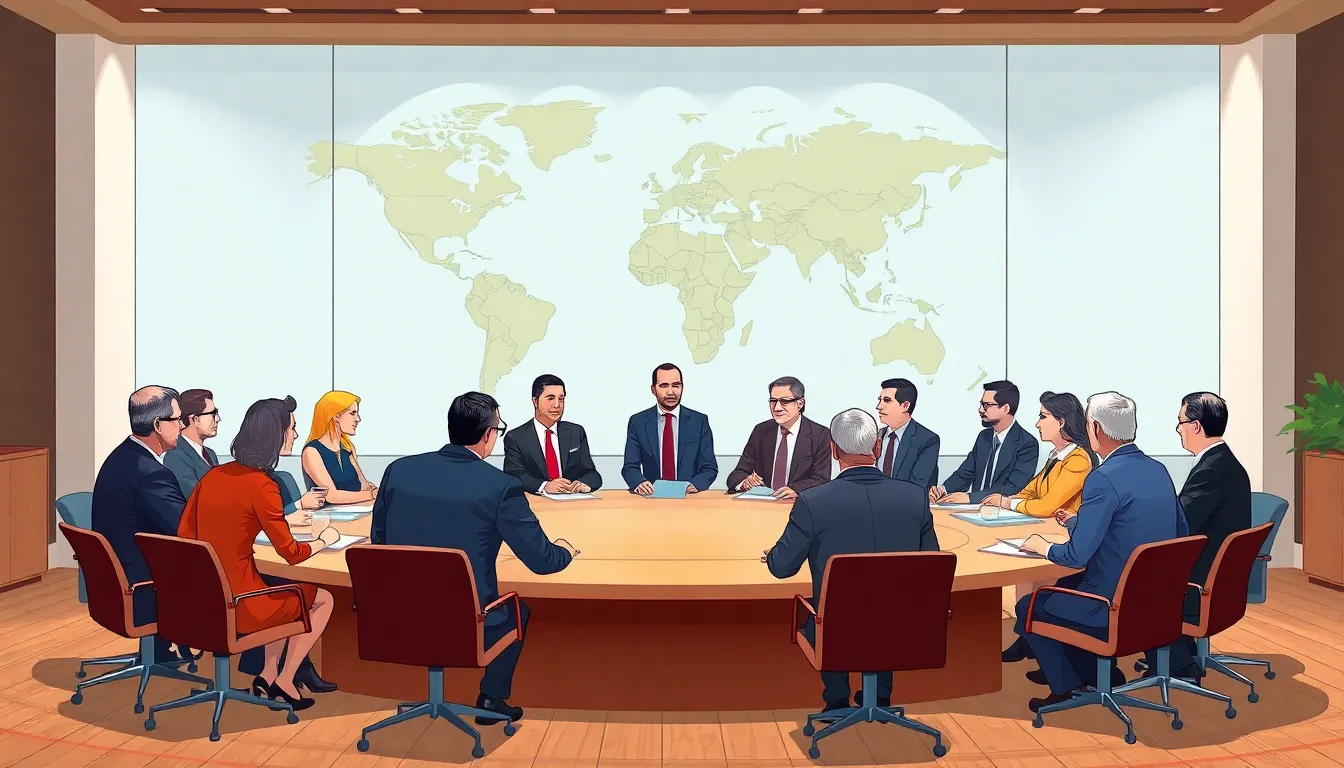
Key concepts form the backbone of global politics, guiding interactions among nations. Understanding these concepts enhances comprehension of international relations.
Sovereignty
Sovereignty defines a state’s authority over its territory and governance. This principle grants nations the autonomy to make decisions free from external interference. It establishes legal recognition and independence. The evolution of sovereignty traces back to the Peace of Westphalia in 1648, marking a shift toward modern nation-states. Various entities recognize this concept, including the United Nations, which promotes respect for sovereignty among member states. Challenges to sovereignty arise from globalization, as multinational corporations and international organizations exert influence across borders. Intriguingly, issues like humanitarian intervention often spark debates regarding sovereignty versus human rights.
Power Dynamics
Power dynamics shape interactions and relationships between states. Control over resources, military capabilities, and economic strength determines the balance of power. Theories like realism emphasize the role of power in international politics, stating that nations act primarily in self-interest. Various actors, including superpowers and emerging economies, engage in global competition. Diplomacy, alliances, and conflicts are common strategies to exert power and influence. Historical instances, such as the Cold War, illustrate how power struggles can lead to global tensions. Nowadays, shifting power dynamics result from factors like technological advancements and economic interdependence, altering traditional geopolitical landscapes.
Major Actors in Global Politics
Global politics involves various significant players that shape the world stage through their interactions and decisions.
States
States serve as the central actors in global politics. They exercise sovereignty over their territories and maintain unique systems of governance. Each state crafts its foreign policies based on national interests. Geopolitical influence varies across states, leading to diverse power dynamics, such as those seen in the United States and China. Historical treaties and alliances, including NATO and the UN, highlight how states navigate complex relationships. Conflicts arise when national interests clash, significantly impacting international relations. Historically, events like World War II reshaped state boundaries and power structures. Today, states confront global challenges like climate change and pandemics, necessitating multilateral cooperation.
International Organizations
International organizations play crucial roles in fostering collaboration among states. The United Nations aims to maintain peace and security through diplomacy and conflict resolution efforts. Other organizations, such as the World Trade Organization, facilitate trade agreements and establish economic policies. Different international organizations address global issues like human rights, health, and environmental sustainability. Membership often includes a wide range of states, reflecting diverse interests and priorities. Initiatives led by these organizations promote policy coherence and collective action on pressing challenges. Notably, the African Union and European Union work towards regional stability and economic integration.
Non-State Actors
Non-state actors increasingly influence global politics today. These entities include multinational corporations, NGOs, and terrorist organizations. Multinational corporations shape economic policies and global trade by wielding significant financial power. NGOs advocate for social issues, influencing policy changes at national and international levels. Additionally, terrorist organizations challenge state authority and security, complicating political landscapes. Non-state actors often collaborate with states and international organizations to address social issues. Their advocacy efforts can lead to heightened awareness and policy shifts, exemplified by climate action campaigns. Recognizing their impact is essential to understanding contemporary global politics.
Current Trends in Global Politics
Current trends in global politics highlight significant transformations in power dynamics and international cooperation. As nations navigate complex challenges, understanding these shifts becomes essential.
Geopolitical Shifts
Geopolitical shifts affect alliances and influence global stability. The rise of China as a superpower challenges traditional Western dominance, reshaping trade routes and military engagements. Nations in the Asia-Pacific region increasingly assert their presence, leading to strategic partnerships. Additionally, the war in Ukraine exemplifies how conflicts can redraw geopolitical boundaries and realign alliances. Countries reassess their foreign policies amidst growing tensions, fostering new coalitions. Emerging economies, such as India and Brazil, play vital roles in global decision-making, signifying a multipolar world where various powers share influence.
Climate Change and Global Governance
Climate change prompts global cooperation and governance efforts. International agreements like the Paris Accord showcase collective commitments to mitigate environmental impact. Developing countries often face the most significant challenges, which drives discussions on equity and support from wealthier nations. Green technology adoption emerges as a priority for many states, emphasizing a transition towards sustainable energy sources. Moreover, climate-related disasters force countries to collaborate on humanitarian responses, reinforcing the interconnectedness of global politics. Understanding these dynamics is crucial as nations adapt policies to address climate crises effectively.
Challenges in Global Politics
Global politics face numerous challenges that hinder cooperation and stability among nations. Two significant issues include conflicts and instability, as well as economic inequality.
Conflicts and Instability
Conflicts contribute to a tumultuous global landscape. Armed confrontations, such as the ongoing war in Ukraine, alter geopolitical alliances and realign military strategies. Instability often arises from ethnic tensions, territorial disputes, and power vacuums, leading to humanitarian crises and mass displacements. Regional conflicts frequently spill over borders, affecting neighboring nations and creating broader security threats. International organizations, like the United Nations, strive to mediate disputes while balancing national interests. Recurring issues underscore the need for a comprehensive approach to conflict resolution and peacebuilding.
Economic Inequality
Economic inequality presents significant barriers in global politics. Wealth disparities exist both within and among nations, affecting access to resources and opportunities. Developing countries often struggle with limited economic power, stunting their influence in global decisions. Wealthier nations hold advantages in trade negotiations, often sidelining poorer countries. Increased inequality can fuel social unrest and political instability, exacerbating conflicts. Various international frameworks attempt to address these disparities, promoting equitable trade policies and development aid. Addressing economic inequality remains crucial for fostering international cooperation and ensuring sustainable development.
Global politics continues to evolve in response to shifting power dynamics and emerging challenges. As nations navigate complex relationships influenced by historical contexts and current events, the importance of understanding these interactions becomes paramount. The interplay between state and non-state actors shapes policies that affect global stability and cooperation.
The rise of new superpowers and the pressing need for collective action on issues like climate change underscore the interconnectedness of today’s political landscape. Addressing conflicts and economic inequality remains crucial for fostering sustainable development and promoting peace. As global citizens, staying informed about these developments is essential for engaging with the world and contributing to meaningful change.