
Ever wondered what keeps your feet dancing through life? Meet the fibularis longus, the unsung hero of your lower leg. This muscle might not have the fame of a rock star, but it plays a crucial role in keeping you balanced and mobile. Its origin and insertion points are like the backstage passes that allow it to perform its magic, enabling you to walk, run, and even show off those fancy footwork moves.
Overview of Fibularis Longus
Fibularis longus originates from the upper two-thirds of the fibula, specifically from the lateral surface. It also arises from the adjacent intermuscular septum and the fascia surrounding the muscle. The insertion occurs at the base of the first metatarsal and the medial cuneiform bone, located on the plantar surface.
This muscle plays a crucial role in foot eversion and plantar flexion. It aids in stabilizing the foot during activities such as walking and running. Active contraction results in essential movements that enhance balance on uneven surfaces.
Additionally, fibularis longus assists with maintaining the arches of the foot, specifically the longitudinal arch. It connects with other muscles in the lower leg, contributing to the overall functionality of the ankle and foot.
Injury to the fibularis longus can lead to complications, affecting balance and mobility. Weakness or damage can result from overuse, trauma, or medical conditions such as tendonitis. Targeted exercises focusing on strengthening this muscle can help restore its function, promoting better foot mechanics and stability.
Understanding the fibularis longus contributes to broader knowledge about the lower leg’s anatomy and its significance in various physical activities. Knowledge of its origin, insertion, and actions can aid in diagnosing injuries and developing effective rehabilitation strategies.
Anatomical Position
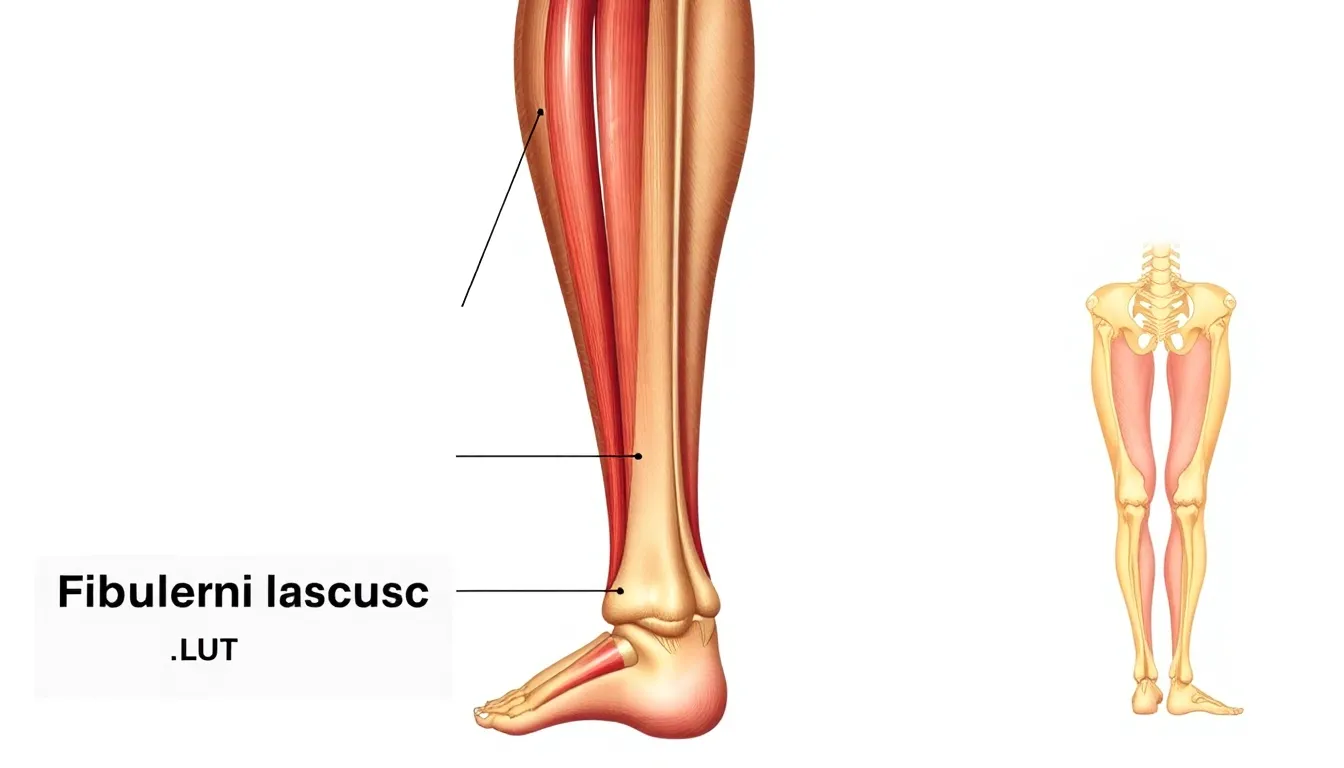
The fibularis longus muscle occupies a strategic position in the lower leg, influencing various movements essential for mobility and stability. Understanding its location enhances comprehension of its functions.
Location in the Leg
The fibularis longus extends from the upper two-thirds of the fibula, a long bone on the lateral side of the leg. It courses down along the outer aspect of the leg, passing behind the lateral malleolus before reaching its insertion. This positioning facilitates its role in eversion and plantar flexion of the foot, critical movements necessary for balance during walking and running.
Surrounding Structures
Several important structures surround the fibularis longus. The muscle lies lateral to the tibialis anterior and medial to the fibularis brevis. The peroneal nerve, which innervates the fibularis longus, runs along with it, ensuring muscular function. Additionally, the muscle’s tendons traverse near the anterior and posterior compartments of the leg, interacting with the surrounding ligaments and bones to support foot stability during physical activity.
Fibularis Longus Origin
The fibularis longus muscle originates in the upper two-thirds of the fibula, a bone located on the outer side of the lower leg. This origin site provides critical leverage for foot and ankle movements.
Muscle Attachment Points
Muscle attachment points include the fibula’s lateral surface and the intermuscular septum. The fibularis longus tendon travels laterally, wrapping around the lateral malleolus, and inserts at the base of the first metatarsal and medial cuneiform bone. This unique configuration allows for effective repositioning of the foot during activity, especially in movements like eversion.
Relevant Anatomical Features
Relevant anatomical features involve its pathway along the outer leg and its relationship with neighboring muscles. The fibularis longus runs alongside the fibularis brevis and is innervated by the superficial peroneal nerve. These surrounding structures play essential roles in stability and movement, particularly during foot eversion and plantar flexion. The positioning of the fibularis longus aids in maintaining the foot’s arches, enhancing overall functionality during physical exertion.
Fibularis Longus Insertion
The fibularis longus inserts at the base of the first metatarsal and the medial cuneiform bone. This insertion point plays a critical role in foot mechanics.
Connection to the Foot
Fibularis longus directly influences the position and stability of the foot. Its tendon wraps around the lateral malleolus before attaching to the bones. This anatomical feature aids in maintaining the foot’s arches, providing necessary support during movement. Along with the tendon, the connection to various ligaments and other muscles enhances stability. Therefore, the fibularis longus contributes significantly to both balance and functional movements within the foot.
Implications for Functionality
Foot eversion relies heavily on the fibularis longus. The muscle assists in lateral movements essential for activities like walking and running. Strengthening this muscle can improve athletic performance and overall functionality. Dysfunction or injury to the fibularis longus may lead to balance issues, increasing the risk of falls. Rehabilitation exercises targeting this muscle can enhance mobility and minimize instability during various physical activities. Understanding its insertion contributes to more effective injury prevention and rehabilitation measures.
Clinical Significance
Fibularis longus injuries can lead to significant clinical implications. Pain and weakness often manifest when this muscle is compromised, affecting overall mobility. Balance issues result when the fibularis longus cannot adequately support foot mechanics, particularly during lateral movements.
Additionally, rehabilitation strategies focusing on this muscle play a critical role in recovery. Targeting strengthening exercises may enhance foot stability and improve athletic performance. Specific injuries, such as tendonitis or tears in the fibularis longus, require attention to prevent further complications.
Foot eversion may diminish in cases of fibularis longus dysfunction, leading to an increased risk of falls. Understanding the anatomical origin and insertion highlights its importance in maintaining the foot’s arches. Compromised arch support can result in overuse injuries not only to the fibularis longus but also to adjacent structures like the tibialis anterior and fibularis brevis.
Effective rehabilitation programs often emphasize the fibularis longus, integrating exercises that focus on mobility and stability. Clinicians recognize the necessity of addressing this muscle in ankle sprains, given its role in stabilizing the foot. Evaluating muscle strength and functionality aids in tailoring individualized treatment plans.
Reducing the risk of injuries involves fostering awareness of the fibularis longus’s significance in activities such as walking and running. Professionals underscore the muscle’s contribution to healthy foot mechanics and overall athletic ability. Prioritizing awareness and strengthening of the fibularis longus leads to improved outcomes for those engaged in physical activities.
Understanding the fibularis longus is essential for anyone interested in foot mechanics and mobility. Its role in balance and stability cannot be overstated. By focusing on strengthening this muscle, individuals can enhance their athletic performance and reduce the risk of injuries.
Incorporating targeted exercises into a fitness routine can significantly improve foot eversion and overall functionality. Awareness of potential injuries and their implications is crucial for effective rehabilitation. Prioritizing the fibularis longus in training and recovery strategies ensures better outcomes for active individuals.