In a world where everything seems to be falling apart—literally—fasteners are the unsung heroes holding it all together. From the nuts and bolts that keep your furniture from collapsing to the screws that ensure your favorite gadgets function seamlessly, these tiny components play a colossal role in our daily lives. But wait, there’s more! The global fastener industry is buzzing with exciting developments that could change the way we think about fastening forever.
Global Fastener News Overview
Recent trends in the global fastener industry reveal significant developments that impact various sectors. Manufacturers across different regions are focusing on sustainable practices to meet environmental regulations. Innovative fastening technologies are emerging, enhancing the efficiency and reliability of construction and manufacturing processes.
The Asia-Pacific region serves as a key player, accounting for a notable share of global fastener production. Countries like China and India lead in both demand and supply dynamics. European nations are investing in advanced materials, which boosts product strength and longevity.
Market analysts report a steady growth rate projected at 4.5% annually within the fastener sector over the next five years. Automotive and aerospace industries significantly contribute to this trend, highlighting the increasing need for lightweight and durable fastening solutions.
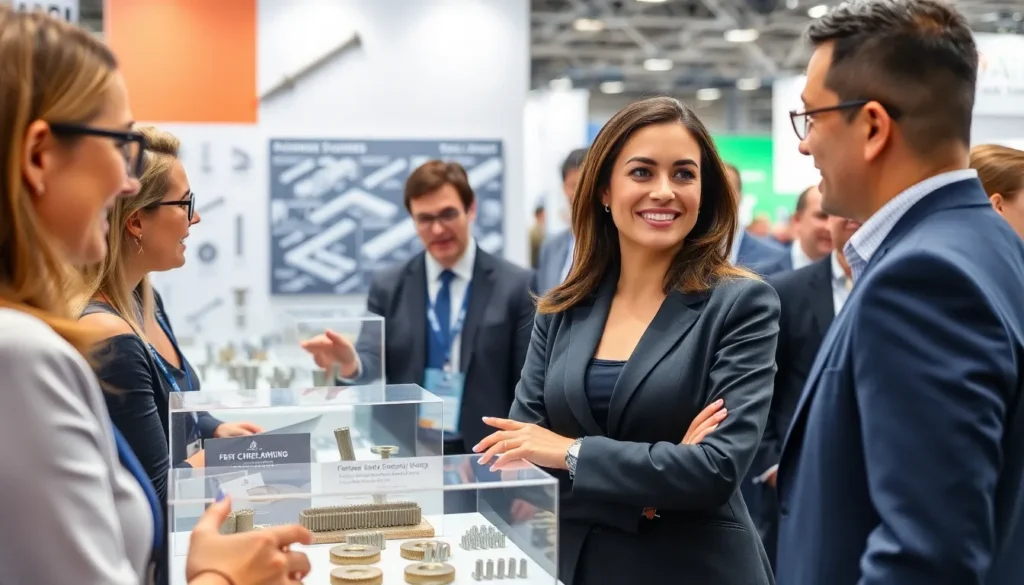
Prominent events also shape the industry landscape. Trade shows and conventions facilitate knowledge sharing among manufacturers, suppliers, and end users. Participants benefit from networking opportunities and insights into emerging technologies that drive innovation.
In addition, the rise of e-commerce has transformed how fasteners are distributed. Online platforms enable faster transactions and improved accessibility for customers. As a result, small and medium enterprises are able to compete alongside larger corporations more effectively.
Investors show heightened interest in companies committing to research and development initiatives. The push for automation in manufacturing further enhances productivity and cost-effectiveness. Stakeholders anticipate that these advancements will redefine operational standards in the global fastener market.
Industry Trends
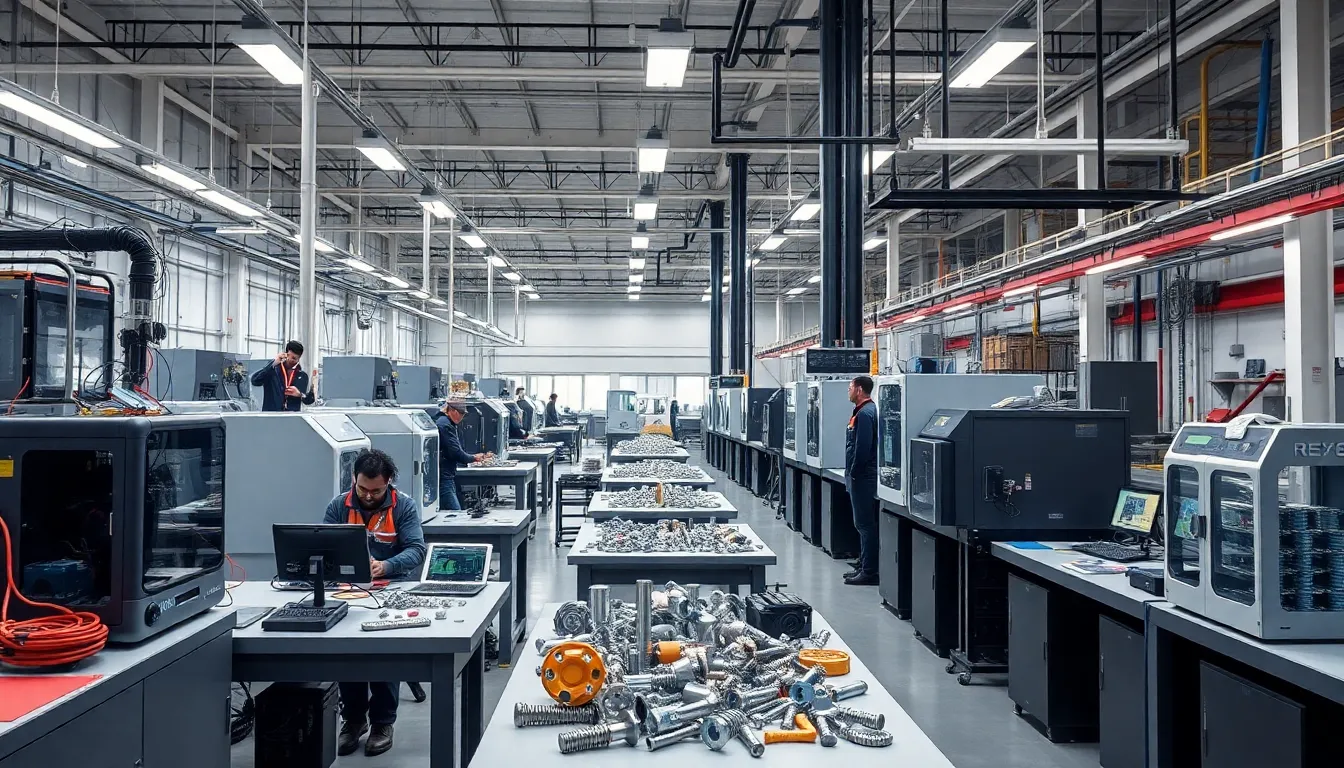
Recent trends in the fastener industry highlight significant advancements reshaping the market landscape. A focus on sustainability influences production processes as manufacturers adopt green practices.
Market Growth and Predictions
Market analysts forecast a steady growth rate of 4.5% annually in the fastener sector. Demand from the automotive sector fuels this expansion, driven by the need for lightweight and durable materials. Aerospace applications also contribute to this growth trajectory. Regional dynamics indicate that the Asia-Pacific area, particularly China and India, will remain critical production hubs. European investments in advanced materials enhance product strength, aligning with the forecasted growth.
Innovations in Fastener Technology
Innovative technologies emerge as key players in transforming fastener applications. Smart fasteners equipped with sensors offer real-time data on performance and integrity. Advances in automation streamline manufacturing processes, improving efficiency and reducing costs. The integration of 3D printing continues to expand design possibilities, allowing for customization in fastener shapes and sizes. Additionally, new materials enter the market, enhancing strength and corrosion resistance, further supporting demands in diverse industries.
Key Players in the Fastener Market
The fastener market consists of several leading manufacturers and emerging companies. These entities collectively influence trends and advancements within the industry.
Leading Manufacturers
Several large manufacturers dominate the fastener landscape. Companies like Arconic, Illinois Tool Works, and Stanley Black & Decker lead in production capabilities and innovation. Arconic excels in developing lightweight materials essential for the aviation industry. Illinois Tool Works focuses on a diverse range of fasteners, catering to various sectors. Stanley Black & Decker, known for high-quality construction fasteners, contributes to advancements in tools and hardware. Their combined market presence supports the steady annual growth rate of 4.5%, reflecting the industry’s robust demand.
Emerging Companies
New entrants in the fastener market are reshaping the competitive landscape. Companies such as Boltun Corporation and Trelleborg AB focus on integrating sustainability into their production processes. Boltun Corporation emphasizes lightweight and durable materials, responding directly to automotive industry needs. Trelleborg AB works on innovative solutions that meet environmental regulations, enhancing operational efficiency. These organizations illustrate a growing trend toward innovation and sustainability, vital for the industry’s future.
Regional Updates
Regional developments in the fastener industry reflect broader trends in sustainability, innovation, and demand across different markets.
North America
North America’s fastener market sees impressive growth, fueled primarily by the automotive and aerospace sectors’ need for lightweight solutions. Companies capitalize on advancements in automation, improving production efficiency while reducing costs. Emerging startups increasingly focus on eco-friendly materials, aligning with consumer preferences for sustainable options. This shift enhances market competitiveness, encouraging larger manufacturers to innovate further. Major players continue to invest in research and development, reinforcing their market presence through differentiated products. Furthermore, participation in trade shows fosters networking opportunities, allowing companies to share insights and advancements.
Europe
In Europe, manufacturers prioritize the integration of advanced materials and innovative technologies to boost product performance. Countries such as Germany and France are at the forefront of implementing sustainability in production processes, meeting stringent regulations. A collaborative environment exists among industry stakeholders, promoting knowledge sharing and technological advancements. Established brands like Arconic and Stanley Black & Decker lead the charge, investing significantly in R&D for high-strength materials. Emerging companies are also gaining traction, emphasizing lightweight and sustainable solutions that appeal to eco-conscious consumers. The European fastener market benefits from strong growth projections driven by automotive and manufacturing demands.
Asia-Pacific
The Asia-Pacific region plays a pivotal role in global fastener production, with China and India leading the charge. Companies are increasingly focusing on technological innovations to enhance performance and efficiency. Rapid industrialization and urbanization in these nations fuel robust demand across various sectors, especially construction and automotive. A surge in automation adoption helps manufacturers improve their production capabilities, responding effectively to market needs. Additionally, collaborations among local and international firms boost competitive advantages, facilitating the integration of advanced materials and sustainable practices. This dynamic landscape positions Asia-Pacific as a key player in shaping the future of the fastener industry.
Challenges Facing the Fastener Industry
The fastener industry encounters several challenges impacting its growth and innovation. Increasing material costs pose a significant obstacle for manufacturers. Companies often face pressure to balance quality and affordability as they source high-performance materials to meet industry standards.
Labor shortages are also critical. Manufacturers struggle to attract skilled workers amid a growing demand for automation. This gap can result in project delays and increased operational costs.
Regulatory compliance adds complexity to the production process. Fastener manufacturers must navigate stringent environmental regulations while maintaining efficiency. Adapting to these regulations can strain resources and require substantial investment in sustainable practices.
Market fluctuations present another hurdle. Volatile raw material prices and global supply chain disruptions can affect pricing stability. Keeping pace with these changes requires agility and foresight in procurement strategies.
Competition from lower-cost manufacturers is a constant challenge. Companies must differentiate themselves through innovation and technology while maintaining competitive pricing. Focusing on high-quality, technologically advanced fasteners can create a competitive edge.
Emerging technologies also introduce challenges. Integration of smart fasteners with sensors requires investment in research and development. Staying abreast of advancements pushes manufacturers to innovate continuously or risk obsolescence.
Lastly, evolving customer expectations shape industry dynamics. Increased demand for customization and rapid turnaround times pressures fastener manufacturers to enhance their operational efficiency. Meeting these expectations often involves adopting new production methods and technologies.
The global fastener industry is on the brink of significant transformation. With a strong emphasis on sustainability and innovation, manufacturers are adapting to meet the evolving demands of various sectors. The integration of advanced technologies and materials is not only enhancing product performance but also addressing environmental concerns.
As the market continues to grow at a steady pace, key players and emerging companies alike are focusing on research and development to stay competitive. The fastener industry is poised for exciting developments that will redefine operational standards and customer expectations. Stakeholders must remain vigilant and adaptable to navigate the challenges and opportunities that lie ahead in this dynamic landscape.