Looking to dive into the world of healthcare without spending years in school? Phlebotomy might just be your golden ticket! In just four weeks, you can transform from a curious beginner to a confident blood-drawing pro. Imagine impressing your friends with your newfound skills—who knew you could be the life of the party with a needle?
Benefits Of 4 Week Phlebotomy Classes
Four-week phlebotomy classes offer several advantages that make them attractive for aspiring healthcare professionals. These programs empower individuals to enter the workforce quickly and efficiently.
Quick Certification Process
Completing a phlebotomy training program in just four weeks allows students to gain crucial skills fast. Students participate in hands-on training, enabling them to perform venipuncture and other essential techniques. Most accredited programs incorporate both classroom instruction and practical experience, which accelerates the learning curve. Upon finishing coursework, students can often obtain certification within days. This swift transition provides a significant advantage for those looking to start a healthcare career without lengthy education.
Flexibility In Scheduling
Many phlebotomy courses feature flexible scheduling, accommodating various lifestyles and commitments. Evening and weekend classes make it easier for part-time workers or those with family obligations to pursue their education. Students can choose from online or in-person formats, further enhancing convenience. Such options ensure that individuals can balance learning with other responsibilities. Flexibility promotes continued education, as many students find it more manageable to complete courses alongside their existing duties.
What To Expect From The Classes
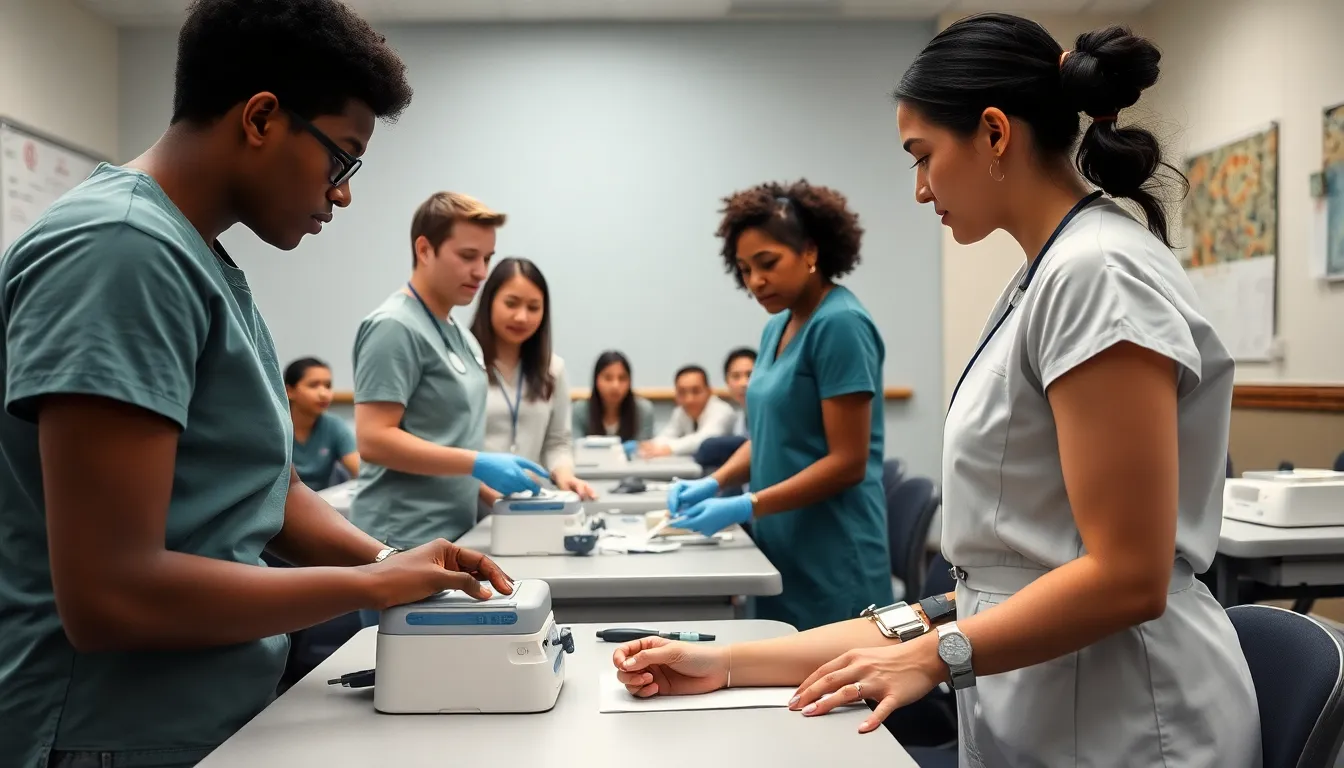
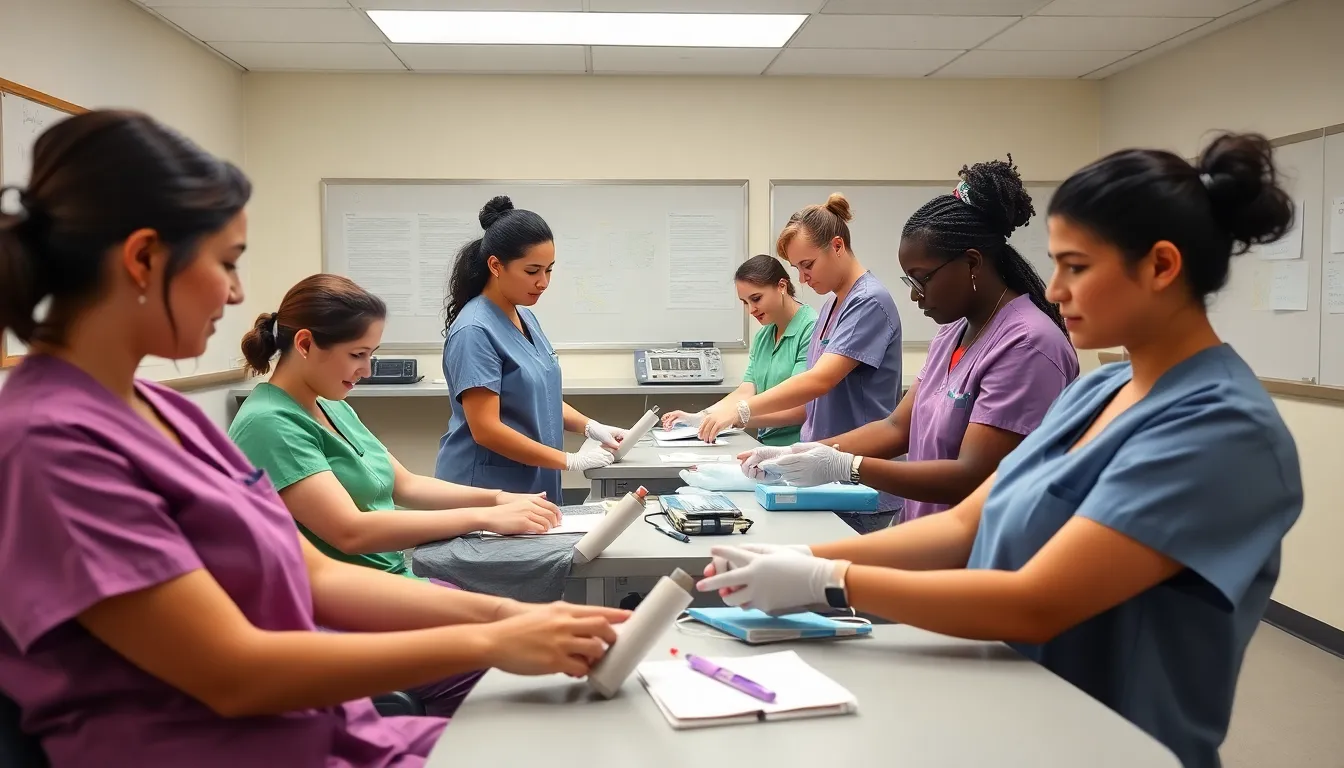
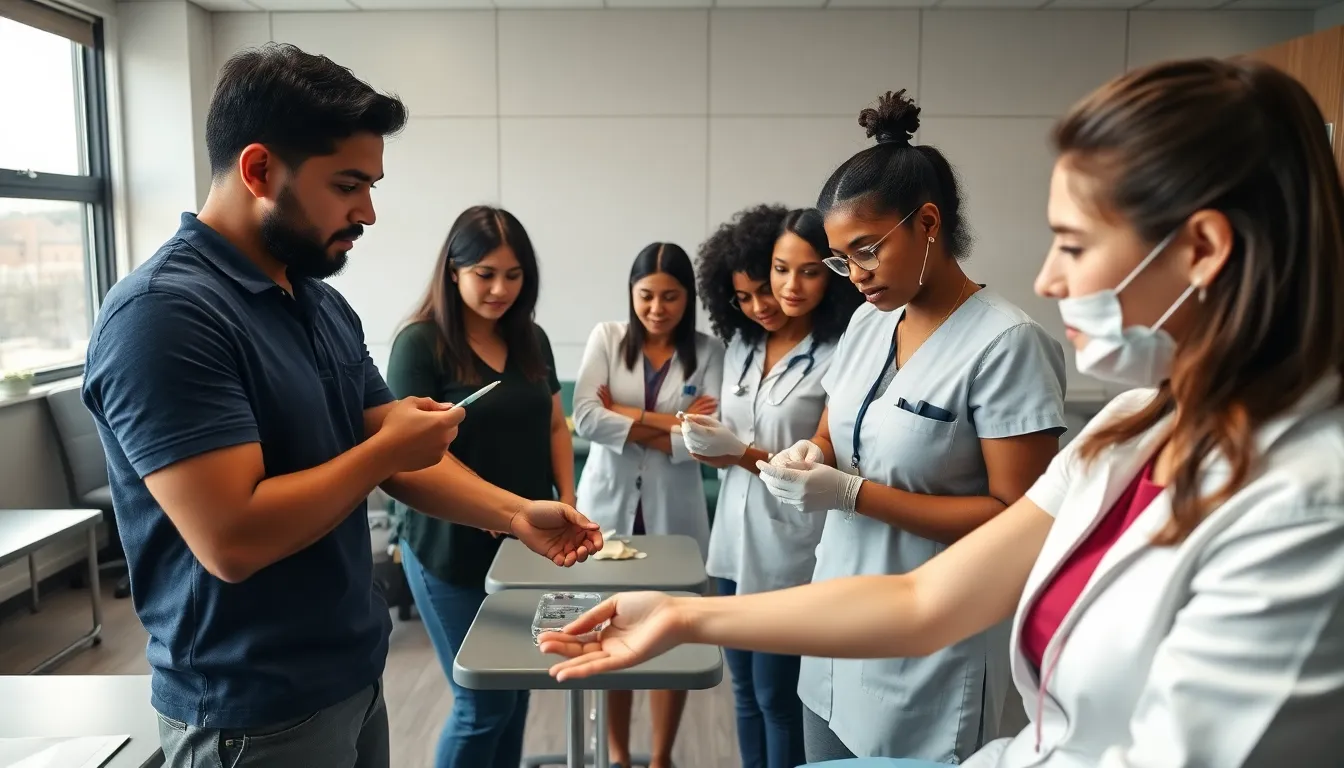
Four-week phlebotomy classes provide a comprehensive educational experience. Students can anticipate a blend of theoretical learning and practical skills that prepare them for certification and employment.
Curriculum Overview
Course content covers essential topics in phlebotomy. Students learn about anatomy, blood collection techniques, and patient safety. Instruction also includes information on infection control and equipment usage. Each module builds on the previous one, ensuring a coherent learning progression. Students gain knowledge about handling different specimens and laboratory procedures. Classroom sessions often include quizzes and interactive discussions, fostering engagement.
Hands-On Training Opportunities
Hands-on training forms a significant part of the phlebotomy classes. Aspiring phlebotomists practice their skills on real and simulated patients. Instructors guide students through various blood-drawing techniques and ensure quality practice. Students typically work with industry-standard equipment to familiarize themselves with daily tasks. Practicing in a controlled environment enhances confidence and prepares them for real-world scenarios. Experiences like these are crucial for mastering skills before entering the workforce.
Finding 4 Week Phlebotomy Classes Near Me
Locating four-week phlebotomy classes becomes straightforward with the right resources. Exploring various options helps aspiring students make informed decisions that align with their schedules and goals.
Online Resources
Numerous websites list phlebotomy classes available in specific areas. Platforms like Coursera, edX, and local community college websites often provide detailed course information, including schedules, fees, and locations. By using search engines, individuals can input phrases like “four-week phlebotomy classes near me” for targeted results. Student reviews and ratings also guide prospective students in assessing program quality. Online forums dedicated to healthcare careers may offer insights from current or former students regarding their experiences and recommendations.
Local Community Colleges And Vocational Schools
Community colleges and vocational schools typically offer convenient phlebotomy training programs. These institutions often feature experienced instructors and well-equipped labs for hands-on practice. Interested individuals should check their local college catalogs for relevant courses and certification options. Many schools provide flexible scheduling, including evening and weekend classes. Networking opportunities at these schools can help learners connect with local healthcare facilities, enhancing job prospects after certification. Enrolling in these programs often leads to a quicker transition into the workforce, fulfilling the demand for skilled phlebotomists in the area.
Cost And Financial Aid Options
Understanding costs is essential for anyone considering four-week phlebotomy classes. Most programs charge between $800 and $3,000, varying based on location and institution. Factors like class size, materials, and additional resources also influence tuition fees. Students should inquire about the complete cost upfront, including lab fees and supplies, to avoid surprises.
Tuition Fees
Tuition fees for phlebotomy classes often range from $800 to $3,000. The price usually reflects program quality and duration. Community colleges may offer more affordable options, often in the lower price range. Conversely, specialized training centers might charge more due to enhanced facilities and resources. Financial aid opportunities frequently exist for students, making it crucial to explore these options early.
Scholarships And Grants
Many organizations provide scholarships and grants for phlebotomy students. These financial aids help lower education costs and make training more accessible. Specific healthcare associations often have scholarships for those pursuing phlebotomy. Community organizations and local foundations may also offer assistance. Researching and applying for these financial opportunities significantly eases the financial burden associated with pursuing certification.