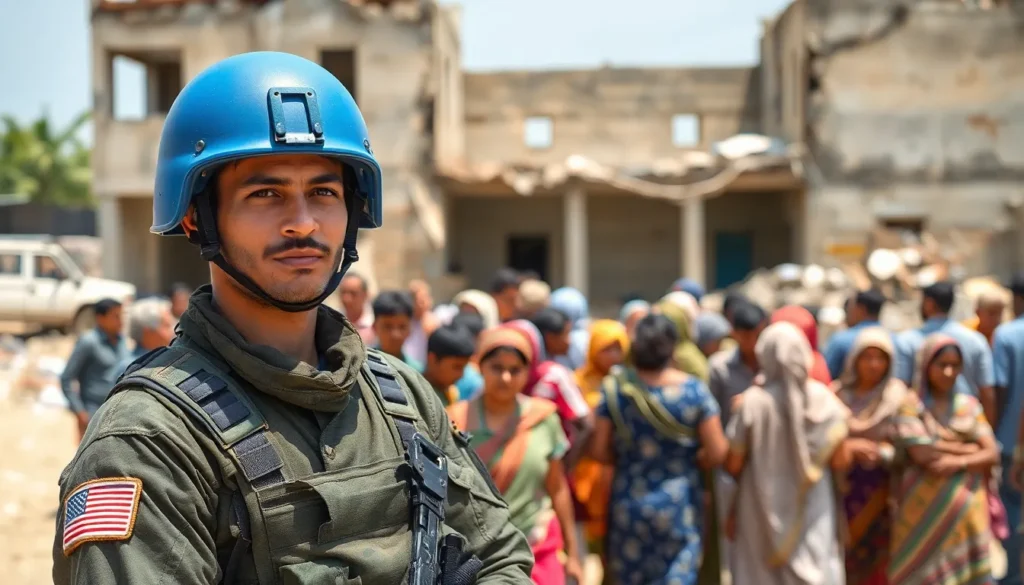
In a world where chaos often reigns supreme, peacekeeping missions serve as the unsung heroes, swooping in like caped crusaders armed with nothing but diplomacy and a strong sense of duty. These missions, often involving a mix of military personnel and civilian experts, aim to restore order in conflict-ridden areas, proving that sometimes, the best way to fight is with a handshake rather than a fist.
But let’s face it—peacekeeping isn’t all sunshine and rainbows. It’s a complex dance of cultural nuances, political agendas, and the occasional awkward moment when someone forgets their language skills. Despite the challenges, these missions play a crucial role in promoting stability and security across the globe. So, buckle up as we delve into the fascinating world of peacekeeping missions, where the stakes are high and the rewards can be life-changing.
Overview of Peacekeeping Missions
Peacekeeping missions play a crucial role in maintaining international peace and security. They involve deploying personnel to areas affected by conflict in order to protect civilians and facilitate political processes. The United Nations is often at the forefront of these operations, coordinating efforts among member states.
Personnel includes military troops, police units, and civilian experts. Each group contributes unique skills tailored for specific situations. Military forces typically focus on the protection of civilians and creating a secure environment. Police units engage in law enforcement and help establish rule of law. Civilian experts offer assistance in areas like governance, human rights, and economic recovery.
Challenges arise in various forms, often stemming from local dynamics. Cultural differences can hinder understanding among peacekeepers and local communities. Political agendas may also complicate efforts, leading to distrust among involved parties. Successfully addressing these challenges depends on effective communication and local engagement.
Statistics illustrate the scale of peacekeeping efforts worldwide. Approximately 90,000 peacekeepers operate in over 12 missions. Missions span continents, from Africa to Asia and the Americas. Each situation presents distinct circumstances that require tailored responses.
In recent years, evolving threats such as terrorism and organized crime have emerged. Peacekeeping missions must now adapt to these complexities while maintaining their core objectives. The integration of technological tools, like drones and data analysis, enhances mission effectiveness and situational awareness.
Ultimately, peacekeeping missions serve as a testament to global cooperation and commitment to stability. Their ongoing presence in conflict zones underlines the international community’s shared responsibility in promoting lasting peace.
Historical Context
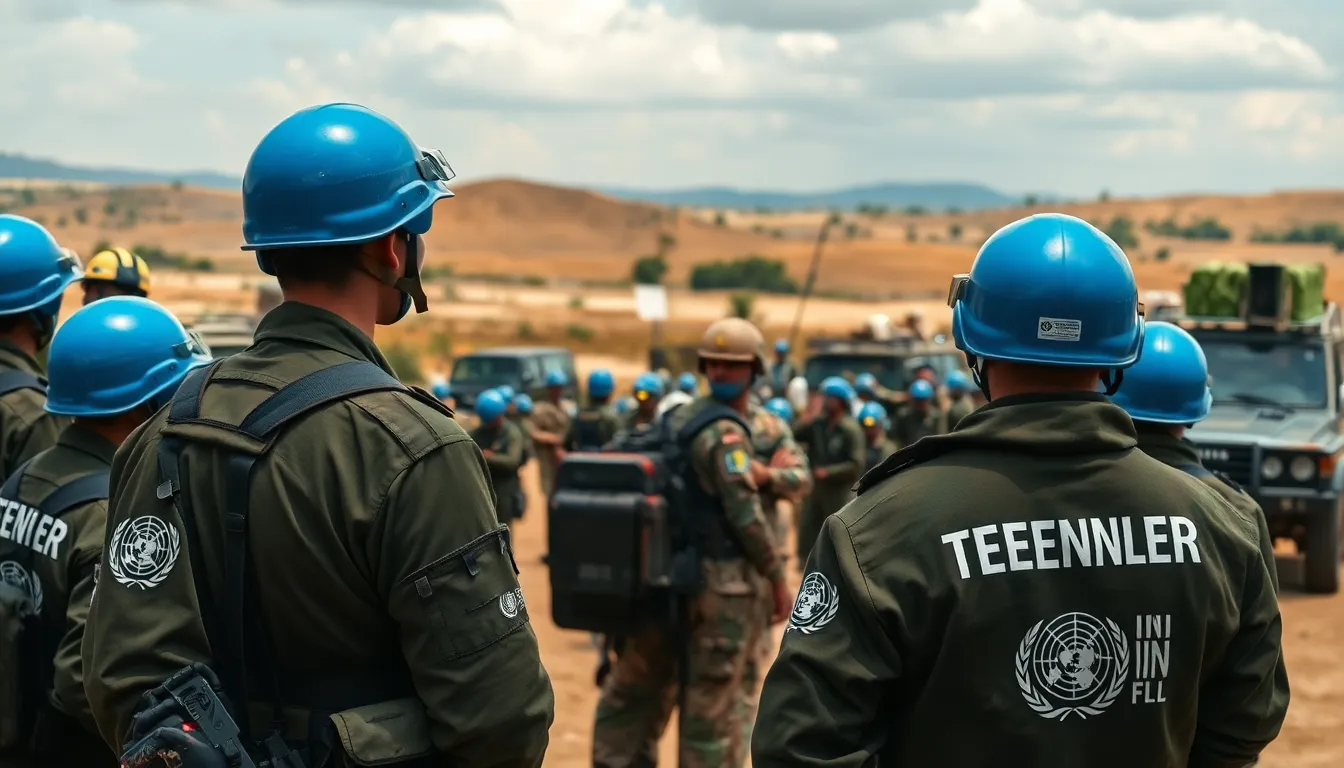
Peacekeeping missions emerged as a response to the challenges of maintaining international peace and security after World War II. These initiatives focus on diplomacy and cooperation to resolve conflicts.
Origins of Peacekeeping Missions
United Nations peacekeeping operations began in 1948 with the deployment of military observers to the Middle East. This initial mission aimed to monitor ceasefires and promote dialogue. A significant shift in approach occurred during the Suez Crisis in 1956, marking the first deployment of a multilateral force to separate warring parties. The need for neutral intervention highlighted the effectiveness of peacekeeping as a tool for conflict resolution.
Key Historical Missions
Different missions have shaped the landscape of peacekeeping. The United Nations Emergency Force (UNEF) during the 1956 Suez Crisis set a precedent for future operations. Following that, the peacekeeping force in Cyprus in 1964 focused on preventing further violence between Greek and Turkish communities. Additionally, the missions in Rwanda and Bosnia in the 1990s exemplified the urgent need for timely interventions amid escalating conflicts. Each mission addressed unique circumstances, demonstrating the adaptability of peacekeeping efforts.
Types of Peacekeeping Missions
Peacekeeping missions encompass various types, each tailored to specific situations and challenges. Understanding these categories helps clarify their roles in international stability.
Traditional Peacekeeping Missions
Traditional peacekeeping missions focus on maintaining ceasefires and separating conflicting parties. Initiated by the United Nations, these missions typically deploy lightly armed military personnel. Operations rely on consent from the host nation and involve observers, who monitor troop movements and ensure compliance with peace agreements. Notable examples include missions in the Middle East and Cyprus, which illustrate the effectiveness of deploying peacekeepers to buffer tensions. Success often hinges on impartiality and facilitating dialogue between opposing groups.
Complex Multi-Dimensional Missions
Complex multi-dimensional missions expand beyond traditional roles to tackle intricate conflicts. These operations integrate military, police, and civilian efforts to build stable and sustainable peace. Missions such as those in Rwanda and Bosnia have addressed governance, human rights, and reconstruction. Each component collaborates to provide security, promote political processes, and support economic development. Adaptability is critical as these missions respond to evolving threats like terrorism and organized crime, ensuring comprehensive strategies foster long-term stability in affected regions.
Challenges of Peacekeeping Missions
Peacekeeping missions encounter numerous challenges that hinder their effectiveness and sustainability. These obstacles stem from various political and operational factors.
Political Challenges
Political challenges significantly impact peacekeeping efforts. Fragmented political landscapes often hinder collaboration between conflicting parties. In many cases, peacekeepers need host nation’s consent, complicating mission deployment. Different political agendas among member states also create disputes, affecting strategy alignment. Stakeholder interests can hinder negotiations, delaying essential agreements. UNSC mandates may lack clarity, leading to disputes over mission objectives. Maintaining neutrality is crucial; however, it often becomes difficult in politically charged environments.
Operational Challenges
Operational challenges present significant obstacles for peacekeeping missions. Limited resources restrict personnel capabilities, affecting their response times. Diverse environments require peacekeepers to adapt quickly to changing situations. In high-risk areas, safety concerns complicate troop movements and effective communication. Access to remote regions often proves challenging, impacting supply lines and logistical support. Evolving threats like terrorism and organized crime necessitate constant strategy adjustments. Furthermore, language and cultural barriers can hinder effective communication and coordination. Each of these elements complicates mission execution and the overall success of peacekeeping efforts.
The Impact of Peacekeeping Missions
Peacekeeping missions play a crucial role in fostering stability in regions affected by conflict. Their influence extends beyond immediate security concerns and encompasses broader aspects of social and economic recovery.
Success Stories
Numerous success stories highlight the effectiveness of peacekeeping missions. The United Nations Stabilization Mission in Haiti significantly contributed to reducing violence and improving local governance. Achievements include the establishment of a more secure environment and support for democratic elections. In Sierra Leone, peacekeeping efforts facilitated significant disarmament processes, leading to the rebuilding of communities. Additionally, peacekeepers in Liberia helped restore order following a civil war, allowing for the establishment of a stable government. Each of these examples underscores the potential of well-implemented missions to create lasting change in crisis-affected areas.
Areas for Improvement
Despite notable successes, several areas for improvement exist within peacekeeping missions. Coordination among various contributing nations often faces obstacles, leading to fragmented strategies and resource allocation. Operational efficiency can improve by enhancing training for peacekeeping personnel, especially regarding cultural sensitivity and conflict resolution. Additionally, addressing the evolving nature of conflict and incorporating technology could strengthen mission effectiveness. Developing clearer mandates and objectives helps peacekeepers navigate complex political landscapes, ensuring their actions remain focused and impactful. Recognizing these challenges fosters a path toward more effective peacekeeping initiatives.
Peacekeeping missions play an essential role in fostering stability and security in conflict-affected regions. Their adaptability and reliance on diplomacy highlight the commitment of the international community to address complex challenges. As these missions evolve to tackle new threats and political landscapes, the need for effective collaboration and enhanced strategies remains crucial.
The successes achieved in various regions demonstrate the potential for peacekeeping initiatives to not only protect civilians but also lay the groundwork for long-term recovery and governance. Ongoing improvements in coordination and training will further empower peacekeepers to navigate the intricacies of modern conflicts. Ultimately, investing in peacekeeping efforts is vital for a more stable and secure world.